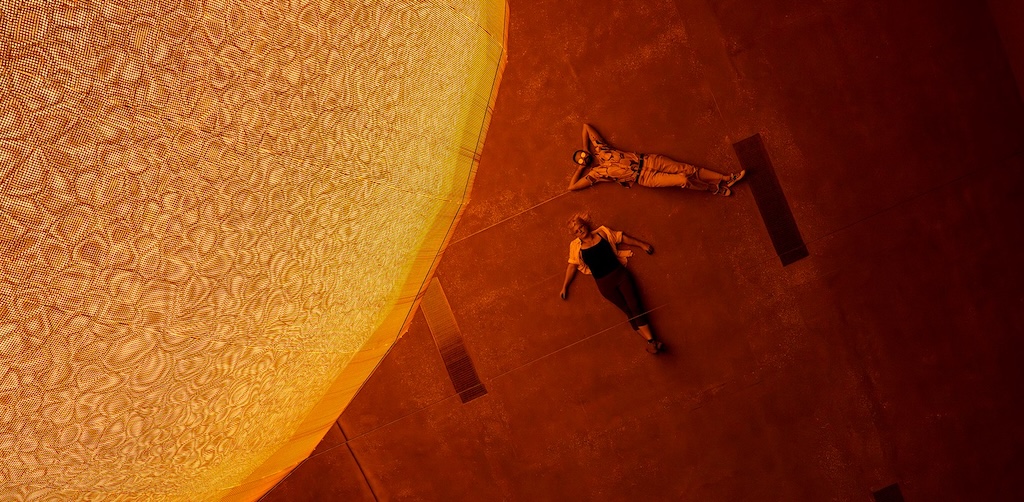
Brisbane does art well when it leans into contrast - riverfront institutions, artist-run spaces, polished commercial galleries and the occasional show that makes you rethink a whole suburb. If you are looking for art exhibitions Brisbane is hosting right now, the trick is not trying to see everything. The better approach is knowing which spaces consistently deliver, what kind of work each does best, and how to build an afternoon around them.
We checked out the city’s key gallery circuit with that in mind. This is not a giant listings dump. It is a tighter edit for people who want exhibitions with a point of view, whether that means a blockbuster survey, a sharply curated contemporary show, or a quieter room that lingers longer than expected.
Where to start with art exhibitions Brisbane-wide
If you only have one day, start at South Bank. The density matters. Queensland Art Gallery and Gallery of Modern Art give you scale, range and enough programming to shape a whole afternoon, while the broader precinct makes it easy to fold in a coffee, a long lunch or a river walk without breaking the rhythm.
QAG tends to reward slower looking. Its strengths are depth, Australian and international holdings, and exhibitions that are often less noisy than the city’s headline-grabbing shows. GOMA, on the other hand, is where Brisbane often feels most plugged into the present - large contemporary installations, major touring projects, moving image works and exhibitions that know how to create atmosphere.
Neither is automatically better. It depends what you want from the day. If you are after ambitious scale and crowd energy, GOMA usually wins. If you want a more contemplative pace, QAG can be the stronger pick. The best version, obviously, is both.
The major institutions worth planning around
Queensland Art Gallery and GOMA
These are still the anchors of the local scene, and for good reason. We visited expecting the usual institutional split - one classic, one contemporary - but Brisbane’s flagship galleries are more interesting than that. Their programming often speaks to each other, and when both are showing strong exhibitions at once, the experience feels less like two separate stops and more like a conversation across buildings.
GOMA is especially good at spectacle with substance. The strongest shows here tend to be visually striking without feeling empty, which matters in an era when immersive often gets mistaken for meaningful. If there is a large-scale installation, film program or international contemporary exhibition on, it is usually worth the crowds.
QAG feels steadier and, at times, more intimate. Historical context, regional connections and carefully assembled thematic shows can make it the more rewarding visit for people who like to spend time with works rather than move quickly through them. If you are bringing an interstate friend who thinks Brisbane’s art scene starts and ends with one building, this is where to quietly prove them wrong.
Brisbane Powerhouse
Powerhouse is not a traditional gallery-first destination, which is exactly why it deserves attention. Its exhibition program often sits alongside performance, festivals and live events, so the energy is different. You are less likely to get hushed white-cube formality and more likely to get art folded into a bigger cultural night out.
That can be a plus or a trade-off. If you want a clean, focused gallery crawl, this may not be the first stop. But if you like seeing visual art in a more social setting, especially before drinks or a show, it delivers a more flexible kind of cultural fix.
Smaller galleries with stronger curation than you might expect
Brisbane’s art identity is not built by institutions alone. Some of the most memorable exhibitions happen in smaller commercial and independent spaces where the scale is tighter, the ideas are sharper and the pressure to appeal to everyone simply is not there.
Institute of Modern Art
The IMA remains one of the city’s most important contemporary art spaces, particularly if you like work that asks more of you. We spent time here with the kind of exhibition that does not hand over its meaning in the first thirty seconds, and that is very much the appeal. The programming can be conceptual, politically engaged and occasionally challenging, but rarely dull.
This is not the place to visit if you only want decorative work or instant gratification. It is, however, one of the best spaces in Brisbane for seeing where contemporary practice is heading and how local conversations connect to broader national and international ones.
Outer Space
Outer Space has built a strong reputation for championing emerging and experimental practice. The feeling here is less polished in the commercial sense and more alive to risk, which makes it one of the more exciting stops on a serious gallery day.
Not every exhibition will land for every visitor, and that is part of the point. When a space backs younger artists, testing ideas and form, you get variation. But when it works, it can feel fresher than more established venues that rely on familiarity.
Jan Murphy Gallery and Philip Bacon Galleries
If your taste leans toward established Australian artists, these commercial galleries are worth knowing. They offer a different kind of confidence - crisp presentation, serious artists and exhibitions designed for collectors but still enjoyable for browsers who simply like strong work in well-considered spaces.
Jan Murphy often feels current without being trend-led. Philip Bacon has long held a certain authority within Brisbane’s gallery landscape, and while the tone can feel more traditional, that is not necessarily a drawback. Sometimes a beautifully hung exhibition of accomplished work is exactly what the afternoon calls for.
What makes Brisbane’s exhibition scene feel distinct
For a city that is often underestimated culturally, Brisbane has a surprisingly clear visual rhythm. The scene is less frantic than Sydney and less self-conscious than Melbourne, which can make looking at art here feel more relaxed and, oddly, more focused. There is room to move. You are not always jostling for position or performing your attendance.
That does not mean every exhibition is excellent, or that Brisbane is somehow above the usual institutional habits. Big galleries still programme for broad appeal. Smaller spaces still have uneven seasons. Some shows are best seen because they are part of the local conversation, not because they are flawless. But the city’s art scene is at its best when it embraces its scale rather than apologising for it.
There is also a strong relationship between art and place here. River light, subtropical architecture, adaptive old buildings and a less compressed urban layout all shape the viewing experience. Even getting from one exhibition to the next feels different in Brisbane. You are often moving through open air, crossing neighbourhoods that still carry a sense of personality rather than pure density.
How to plan a good gallery day in Brisbane
The best art exhibitions Brisbane offers are easier to enjoy when you resist over-scheduling. Two or three venues is usually enough, especially if one of them is a major institution. Art fatigue is real, and once everything starts blending into walls, labels and gift shops, you are done.
South Bank makes the easiest half-day. Start with QAG or GOMA, leave space for lunch, then decide if you want more. Fortitude Valley and Bowen Hills work better if you are chasing contemporary spaces like the IMA or artist-led venues. New Farm and the Powerhouse suit a looser afternoon that may turn into dinner and drinks.
Timing matters too. Weekdays are calmer, obviously, but a Saturday gallery visit has its own appeal when the city feels switched on. If you dislike crowds, avoid opening weekends for major shows. If you like atmosphere, those same openings can be the right choice.
A practical note - check exhibition dates before you go. Brisbane’s stronger spaces rotate shows at different rhythms, and there is nothing glamorous about turning up to bump-out week.
Art exhibitions Brisbane locals actually return for
What keeps people coming back is not just a headline exhibition. It is trust in a venue’s taste level. The strongest galleries in Brisbane build loyal audiences because visitors know they are likely to see something considered, even if the artist is unfamiliar.
That is where the city’s scene gets interesting. You might visit GOMA for the major show, then end up talking more about something smaller you saw later at the IMA. You might go into a commercial gallery with no intention of buying anything and leave with a new favourite artist. The good days are rarely built on one stop alone.
We are excited by Brisbane when it feels like this - confident, quietly ambitious and not overly interested in proving itself. For readers who want more than a generic cultural outing, the city’s exhibition circuit has enough range to suit a quick afternoon or a full weekend built around looking properly.
If you are choosing where to start, pick one major gallery and one smaller space, then leave room for surprise. That is usually where the best art day begins.